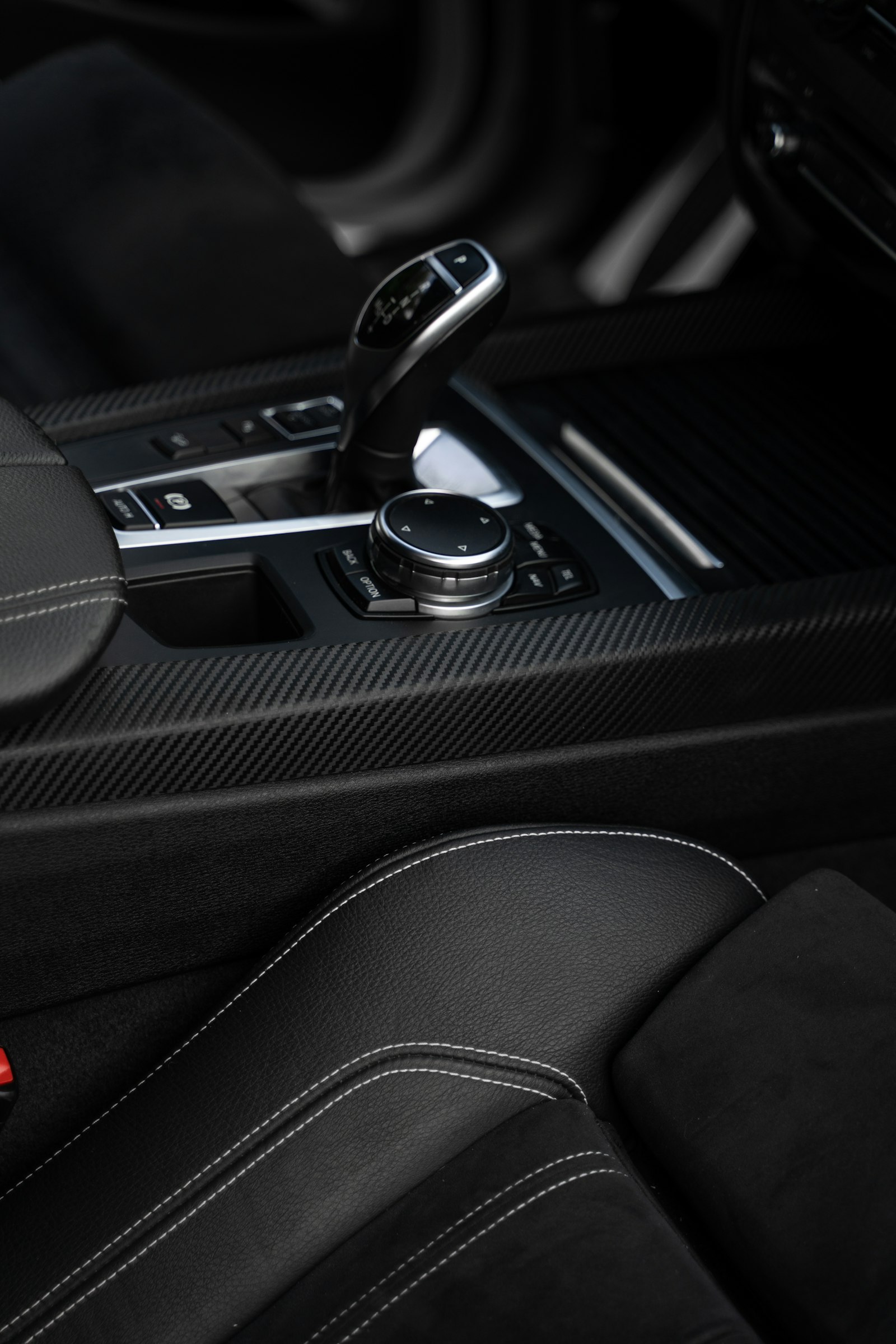
Gel lifts dust from flat crevices — cup holders, dash pockets, door slots. It does not replace brushes for slatted vents, and the listing itself rules out screens.
Where gel actually fits
Some dust is unreachable by cloth and pointless by vacuum: the film that settles inside cup holders, dash pockets, door slots and console trays. Cleaning gel works by being pressed onto that surface — the PULIDIKI listing describes pushing it into vents, cup holders and dash crevices so dust and debris lift on contact.
The bestseller numbers tell you this is a mass product, but the useful question is fit: flat, reachable crevices with water-resistant surfaces. That is the gel’s job description, taken from its own listing.
| Spot | Gel fit |
|---|---|
| Cup holders and dash pockets | Strong fit — flat recesses the gel presses into. |
| Door slots and console trays | Strong fit — same flat-crease logic. |
| Slatted vents | Possible but awkward — a fine dust brush usually does slats faster. |
| Screens and displays | No. The listing excludes screens; follow the vehicle maker’s care instructions. |
The listing’s own limits
The PULIDIKI listing sets real boundaries, which is useful: the gel is for water-resistant surfaces only, must not be washed with water, and is labelled for adult use. It is reusable until the gel turns black — at that point it is saturated, and the tub is repurchased rather than revived.
Storage is part of the product: cool and dry place per the listing, lid on. A gel left open in a hot cabin dries out and its one advantage — pressing into recesses — stops working.
Gel and brush are a pair, not a choice
Gel lifts from flat recesses; a fine brush flicks dust out of slatted vents and around buttons. Interior detailers typically run both — the gel for pockets and holders, the brush for anything with slats, grilles or stitching. The interior brush guide covers bristle choice by surface.
PLACEHOLDER-NOT-IN-THIS-FILE, and towels still go through the wash. Gel adds a tool to the interior kit — it does not change the maintenance loop described in the storage guide.
Using gel without making a mess
The working pattern for a crevice gel is press, lift and fold. Press the gel into the recess so it conforms to the shape; lift it off in one movement, taking the settled dust with it; then fold the used face inward before the next spot, so the debris you picked up does not get re-deposited two inches later.
The fold step is also the honesty check. When the folded face stays dirty after a press, the gel surface is saturated — that is the “turns black” endpoint the listing describes, and continuing to press a saturated gel spreads film rather than lifting dust. Retire the tub to the bin and start the next one; there is no washing step that revives it, because the listing excludes water.
Buy and store notes
At this tier the product is consumable: a tub is a season of cup holders, not a lifetime tool. Check the current size, scent and seller on the listing before ordering — variants and sellers shift, and the listing observed in November 2026 noted a lavender scent.
Keep it with the interior tools, not the wash bucket, and follow the listing’s two care rules — no water wash, cool dry storage — so the tub reaches the end of its useful life instead of drying out first.
- Gel for flat crevices; brushes for slats and grilles.
- Never on screens — the listing and the vehicle manual agree.
- Store cool and dry with the lid on; replace when saturated.
- Keep it with interior tools, away from the wash bucket.
Common questions
Can cleaning gel be used on touchscreens?
No. The PULIDIKI listing states the gel is not for screens, and vehicle maker instructions treat displays as a damp-cloth job. For screens, follow the owner manual; the gel belongs in vents, cup holders and flat interior crevices.
How long does a tub of cleaning gel last?
Per the listing, the gel is reusable until it turns black — that saturation is the end of its useful life, and the tub is replaced rather than washed. Store it cool and dry with the lid on so it does not dry out before then.
Do I still need detailing brushes if I have gel?
Yes — they do different jobs. Gel presses into flat recesses like cup holders; a fine boar-hair brush flicks dust out of slatted vents and around buttons. Interior detailers usually keep both, dedicated to their own tasks.
Sources & research notes
This guide draws on the published material below. We have not performed a hands-on or long-term test of the products discussed. Check current instructions for the exact product and your vehicle.
Read our editorial method