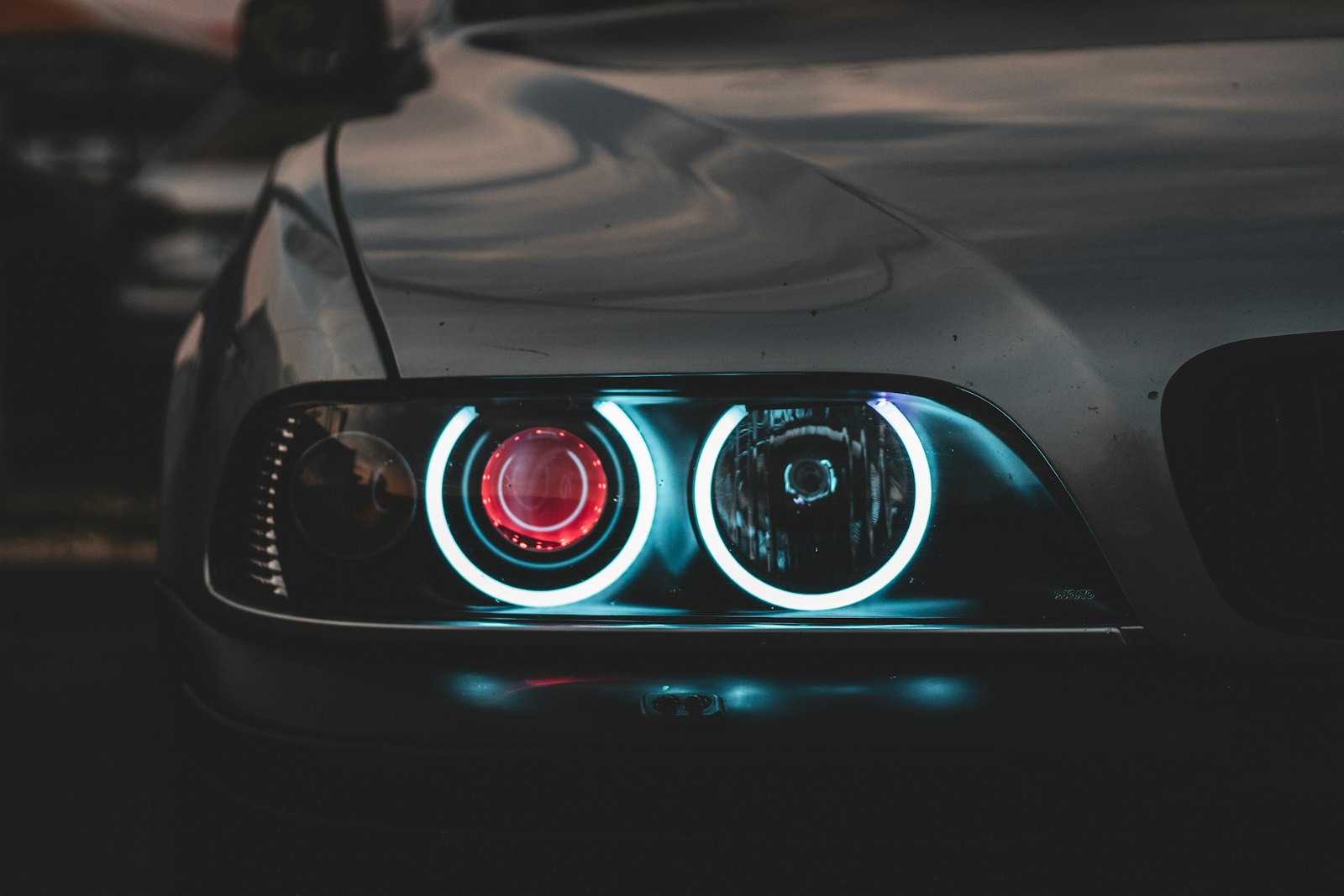
The protective finish is part of the restoration, not an optional extra. Follow the maker’s cure and care conditions, wash gently, and re-check before re-sanding.
The finish is the restoration
You have restored a lens — what keeps it clear now? Sylvania’s installation guide describes restoration as two jobs: removing the damaged outer layer of the lens, then applying a new protective layer with UV protection to the now-bare plastic. The sanding and polishing steps expose fresh material; the sealant step is what keeps it from yellowing again quickly.
That is why a lens that clears up but never gets its finish can haze in a short time, and why manufacturers package the finishing step inside the kit rather than selling it as an accessory. Skipping or rushing the finishing step undoes the work that came before it.
Follow the kit’s care window
Kit instructions specify how the finish is applied and what should not happen while it cures. CERAKOTE’s instructions for its coating wipes and Turtle Wax’s kit directions each describe their own application counts, timing and conditions; SYLVANIA’s essentials guide specifies 10 pump sprays of surface activator per lens and a 30-second wait. The guide for the kit you actually used is the one that applies.
In practice the care window means resisting two common impulses: washing the car immediately after restoration, and adding waxes, glazes or other products over a fresh finish. Follow the manufacturer’s stated waiting period before either.
Wash gently around sealed lenses
After the care window, sealed lenses return to normal washing, with two cautions. Avoid abrasive pads or stiff brushes on the lens surface, and take care that wheel or trim dressings are not oversprayed onto the lens, since solvent-heavy products are not part of any lens maker’s care guidance.
If you use a pressure washer at close range, keep it off the lens edge and seal area. Drying matters too: blot the lens with a clean, dedicated microfiber towel rather than dragging a used one across the fresh finish — the same task-dedicated towel rule the wash tool storage guide applies everywhere else. The goal of post-restoration washing is to leave the finish intact, not to treat the lens as if it were original glass.
Care differences between the finishes
The three kits in our guides do not share one aftercare rule, because the finishes themselves are different chemistries. CERAKOTE’s kit ends in a wipe-applied ceramic coating; SYLVANIA’s ends in a UV block clear coat over a sanded lens; Turtle Wax’s Hybrid Solutions kit describes its own hybrid finishing step. Each instruction sheet carries its own wash-care wording, reapplication notes and conditions.
That is why the practical aftercare reference is the instruction sheet of the kit you actually used — not a generic rule. Record which kit went on the lens and when. If a second restoration happens later with a different brand, the care window can legitimately change.
| Finish (per maker’s description) | What the care wording asks you to respect |
|---|---|
| Ceramic coating (CERAKOTE wipes) | The coating’s cure conditions before the lens is washed or touched. |
| UV block clear coat (SYLVANIA) | The stated activator and coating steps, and the drying time between them. |
| Hybrid finishing step (Turtle Wax) | The kit’s own application counts and any wait the directions name. |
Record your own result
Because no manufacturer publishes a clarity lifespan that can be checked from the outside, the only test result you will ever own is your own lens. Record four things when the kit is done: the kit name, the date, the condition after the cure window, and a daylight photograph. Repeat the photograph at one month and at the season change.
That record turns the next decision — reapply, re-sand or accept — into evidence instead of memory. It is also the exact habit the headlight kit selection guide recommends for comparing kits before you buy: the same photograph, pointed at durability this time.
Diagnose before re-sanding
Clarity that fades gradually over seasons is the finish doing its job and wearing; clarity that fades within weeks suggests the finishing step did not apply or cure as the instructions intended. Before starting a full re-sanding, re-read the application steps in the kit selection guide and check whether the failure pattern matches a missed coat or a rushed cure.
Manufacturers do not publish a universal clarity lifespan, and we have not run a long-term durability comparison. If haze returns quickly and repeatedly, an assessment of the lens assembly — not another kit — is the reasonable next step.
Common questions
When can I wash the car after restoring headlights?
Follow the kit’s stated care window; it differs by product. The finishing layer needs time to cure before washing or waxing, and the instruction sheet — CERAKOTE’s and Turtle Wax’s each describe their own timing — is the authority. Rushing a wash over an uncured finish is the common self-inflicted failure.
Why did my headlights haze over again within weeks?
That pattern usually means the finishing step did not apply or cure as the instructions intended, not that the sanding failed. Re-read the application steps — coat counts, waits between steps, cure conditions — and check your result against them before buying another kit or re-sanding the lens.
Can I wax over the restored finish?
Only if the kit instructions allow it. Layering other products over a fresh lens finish can interfere with curing, and solvent-heavy waxes or dressings are not part of any lens maker’s care guidance. Wash gently with ordinary soap after the stated window and leave the finish alone otherwise.
Sources & research notes
This guide draws on the published material below. We have not performed a hands-on or long-term test of the products discussed. Check current instructions for the exact product and your vehicle.
- SYLVANIA: headlight restoration kit installation guide
- CERAKOTE: headlight restoration instructions
- Turtle Wax: Hybrid Solutions headlight restoration kit